10 Customer Expectations Your Tours Must Meet

Why Customer Expectations Matter More Than Ever
Most tour operators assume growth is driven by visibility, pricing, or marketing channels. While those factors still matter, they are no longer the primary constraint. Across real-world tour businesses, the limiting factor is often much simpler and more overlooked: unmet customer expectations.
Travelers today arrive at your website already informed. Before they even consider booking, they have compared reviews, explored OTA listings, checked social media, and increasingly used AI tools like ChatGPT and Google Gemini to summarize their options. By the time they land on your tour page, they already have a clear mental benchmark of what a “good” experience should look like.
This shift has changed how decisions are made. Customer expectations now directly influence visibility, conversion, reviews, and repeat bookings. If your website creates one expectation but your booking process delivers another, hesitation increases. If your operations feel disorganized, even a strong tour experience can result in weaker reviews.
Customer expectations are no longer a soft concept tied to hospitality. They are a measurable part of your growth system, and having the right tour booking software in place helps ensure your booking flow, communication, and operations consistently meet those expectations.
Not All Travelers Think the Same Way
One of the biggest mistakes tour operators make is assuming that all travelers evaluate experiences the same way. In reality, there are two dominant behavioral patterns that shape expectations.
Structured planners are high-intent buyers. These travelers want clarity before committing. They look for detailed schedules, pricing breakdowns, inclusions, meeting points, and cancellation policies. They are actively reducing risk. When information is missing or unclear, they rarely ask questions. They simply move on.
Flexible or spontaneous travelers behave differently. They are influenced by visuals, reviews, and overall experience appeal. They are less concerned with detailed logistics upfront, but they still expect trust, smooth processes, and credibility.
Most friction happens when a tour business is built for only one of these mindsets. The strongest operators create systems that serve both.
What All Travelers Expect From Every Tour
Real Local Expertise
Travelers expect more than basic information. They want insight, context, and storytelling that goes beyond what they can find online. This expectation has grown stronger as information becomes more accessible. Guests are not paying for facts. They are paying for perspective.
Clear Communication Before Booking
Before committing, travelers expect to fully understand what they are booking. This includes itinerary details, meeting points, timing, physical requirements, and what happens if plans change. When communication is unclear, hesitation increases. When it is clear, confidence increases.
A Professional and Trustworthy Website
Your website is often the first real impression of your business. Travelers expect it to be fast, mobile-friendly, and easy to navigate. If it feels outdated or confusing, it creates doubt before the booking process even begins.
Consistency Between Promise and Delivery
Expectations are formed before the experience begins. If the actual tour does not match what was presented, trust breaks quickly. Reviews are often shaped not by the experience itself, but by the gap between expectation and reality.
An Engaging and Memorable Experience
Travelers expect something worth remembering. This does not require overproduction. It requires thoughtful execution, human connection, and moments that feel personal and shareable.
What Structured Travelers Expect (High-Intent Buyers)
Structured travelers represent some of the most valuable traffic because they are closer to booking. Their expectations are tied directly to conversion.
Detailed Planning Information
These travelers expect clarity in every detail. They want schedules, pricing breakdowns, inclusions, exclusions, and logistics presented in a way that removes uncertainty. When this information is missing, they interpret it as disorganization.
A Seamless Booking Experience
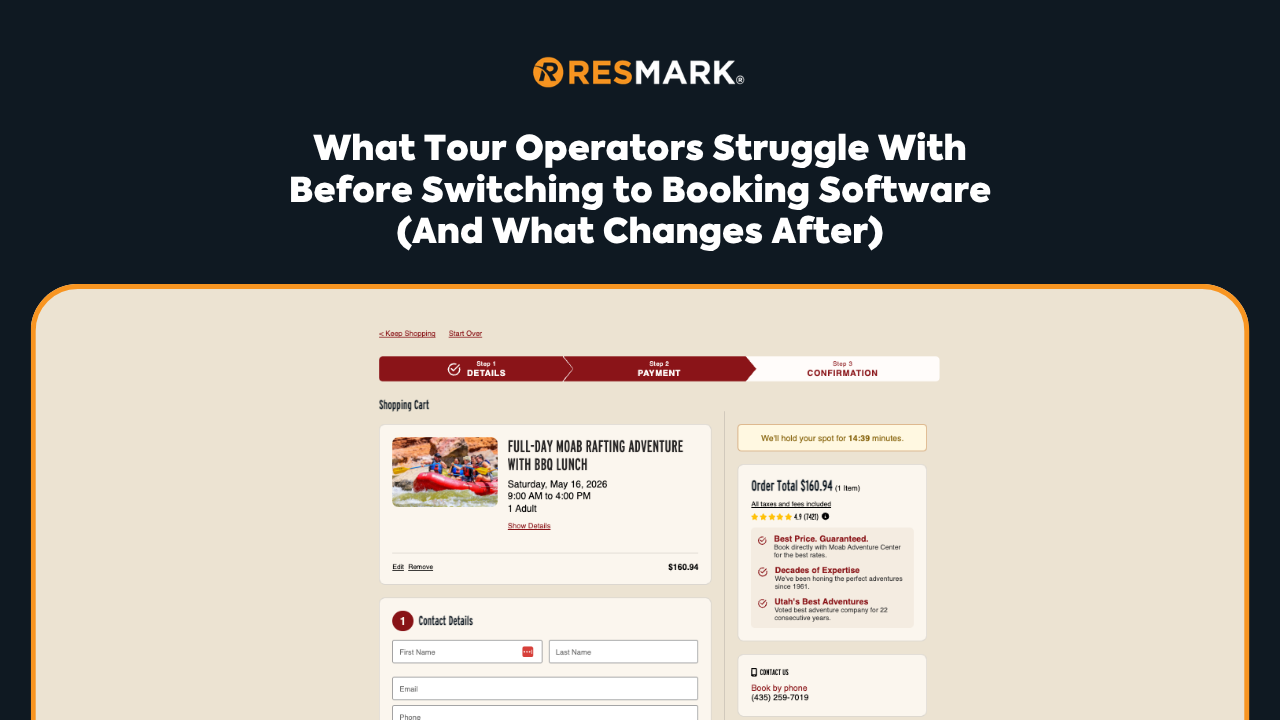
Once they are ready to book, they expect the process to be fast and frictionless. This is where many operators lose them. A confusing checkout flow, unclear steps, or slow system performance creates hesitation at the exact moment of intent.
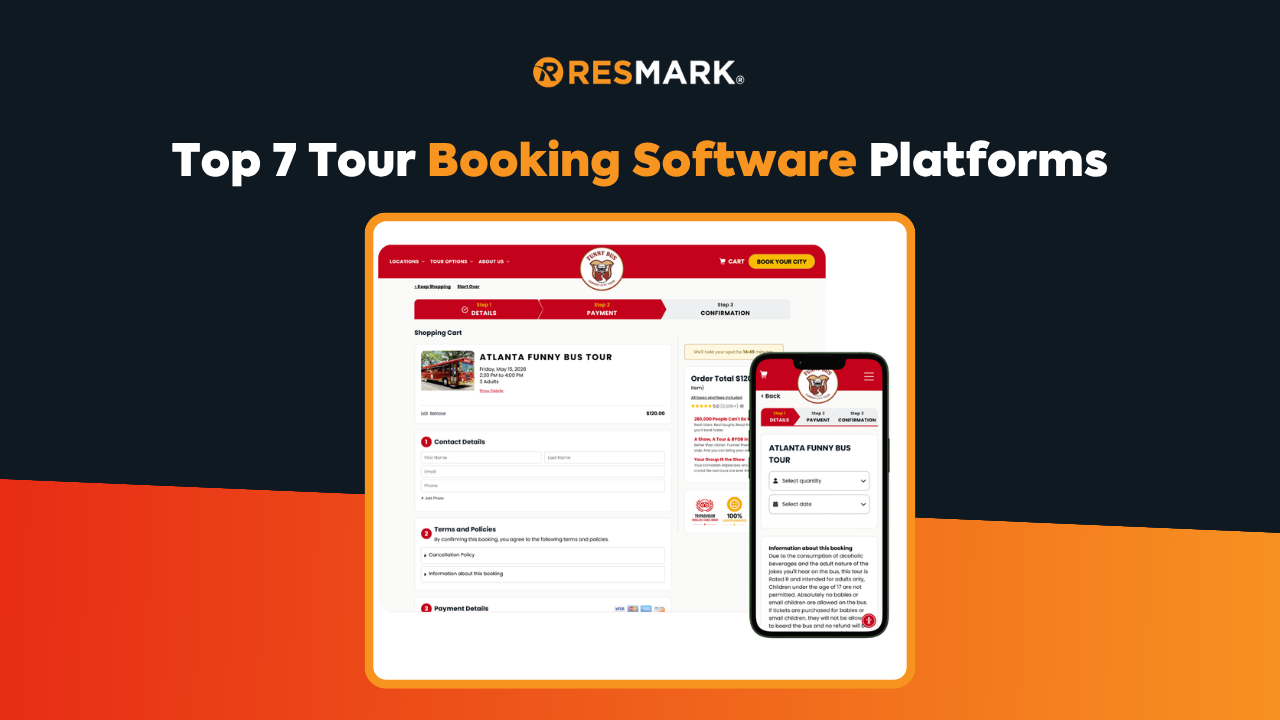
This is where platforms like Resmark Systems become critical. A structured booking flow, real-time availability, and automated confirmations reduce friction and help high-intent travelers complete their booking with confidence.
What Flexible Travelers Expect (Experience-Driven Buyers)
Flexible travelers evaluate the experience differently, but their expectations are just as important for long-term growth and reviews.
Flexibility Within the Experience
These travelers expect adaptability. This could mean adjusting pacing, responding to group dynamics, or allowing moments of personalization. Even small flexibility increases perceived value.
Guidance Beyond the Tour
Flexible travelers often look for more than the tour itself. They want recommendations on what to do next, where to eat, or how to continue exploring the destination. When operators provide this, they shift from being a service provider to a trusted local resource.
10. The One Expectation That Impacts Everything
A Smooth, Professional Experience From Start to Finish
Across all traveler types, the most important expectation is consistency. The entire journey should feel smooth, organized, and professional.
This includes booking, confirmation, check-in, communication, and the tour itself. Even small operational issues, such as unclear meeting instructions or slow check-in processes, reduce perceived quality.
This is why operations matter as much as marketing. Systems that manage booking flow, communication, and guest experience are not just backend tools. They directly shape how travelers perceive your business.
These expectation gaps often come from hidden leaks costing tour operators bookings, where small breakdowns in communication, clarity, and booking experience quietly reduce conversions and overall performance.
Where Most Tour Operators Fall Short
Most tour operators do not struggle because they lack visibility. They struggle because of expectation gaps.
They invest heavily in marketing but overlook the booking experience. They attract traffic but fail to answer key questions clearly. They deliver strong tours but provide weak pre-arrival communication. They rely on OTAs for exposure but lose control of the customer journey.
These gaps create friction. A traveler who is unsure will not book. A guest who feels unprepared will start the experience with doubt. A mismatch between expectation and delivery leads to weaker reviews.
These expectation gaps often come from hidden leaks costing tour operators bookings, where small breakdowns in communication, clarity, and booking experience quietly reduce conversions and overall performance.
How Customer Expectations Impact Bookings and Reviews
Customer expectations directly influence both conversion and reputation.
When expectations are clear, travelers feel confident booking. When the experience meets or exceeds expectations, satisfaction increases. That satisfaction turns into stronger reviews.
Reviews then influence future travelers. This creates a cycle where expectations drive experience, experience drives reviews, and reviews drive future bookings.
This is not a soft metric. It is directly tied to revenue.
How This Connects to the Resmark Growth Engine
Customer expectations are most visible in the Experiencing stage, but their impact extends across the entire Growth Engine.
In the Dreaming stage, expectations are shaped by your content, reviews, and visibility. In the Planning stage, travelers evaluate trust and clarity. In the Booking stage, expectations are confirmed through your systems and process. In the Experiencing stage, they are delivered. In the Sharing stage, they are validated publicly through reviews.
When expectations are aligned, the entire system becomes stronger. When they are not, every stage becomes harder.
Aligning expectations across each stage becomes easier when you build a customer journey map that converts, ensuring that messaging, experience, and operations are consistent from discovery to post-tour engagement.
What This Means for Your Tour Business
Those who ignore expectations struggle with inconsistent bookings, weaker reviews, and higher dependency on third-party platforms.
Using systems like Resmark Systems allows operators to align booking flow, communication, and operations with what modern travelers actually expect. When those systems are in place, expectations are easier to meet consistently, and growth becomes more predictable.
Frequently Asked Questions
What do customers expect from a tour operator?
Customers expect clear communication, transparent pricing, professional service, easy booking, and an experience that matches what was promised before booking.
Why are customer expectations important in tourism?
Customer expectations directly impact bookings, reviews, and repeat business. When expectations are met, travelers feel confident and are more likely to recommend the experience.
How can tour operators improve customer experience?
Improving customer experience requires aligning your website, booking flow, communication, and operations with what travelers expect at each stage of the journey.
What causes bad reviews in tours?
Bad reviews are often caused by expectation gaps, including unclear communication, mismatched descriptions, poor organization, or inconsistent delivery.
Do expectations differ between private and group tours?
Yes. Private tours often come with expectations of flexibility and personalization, while group tours emphasize structure, timing, and coordination.
How do expectations affect bookings?
Expectations affect bookings by influencing confidence. When travelers understand exactly what they are getting, they are more likely to commit.
How can I meet customer expectations consistently?
Consistency comes from structured systems, clear communication, and aligned operations. When every stage of the journey is optimized, expectations are easier to meet.
Share This Post