What Tour Operators Struggle With Before Switching to Booking Software (And What Changes After)
Why Most Tour Operators Delay Switching to Booking Software
Most tour operators do not start their business thinking they need a booking system. In the early stages, manual processes often feel manageable. Bookings come in through phone calls, emails, or simple forms. Availability is tracked in spreadsheets or even on paper. Payments are handled manually, and communication is done one guest at a time.
At this stage, everything feels under control, but without a structured tour operator booking software in place, these manual systems quickly become inefficient as demand grows and operations become more complex.
The problem is that these systems only work when volume is low.
As bookings increase, the same processes that once felt simple begin to break down. More customers mean more coordination, more communication, and more opportunities for errors. What used to take minutes now takes hours. What used to feel organized now feels reactive.
Many operators delay switching because of cost concerns, fear of change, or the belief that their current system is “good enough.” In reality, most do not switch until inefficiencies start affecting their ability to operate effectively.
The Breaking Point: When Manual Systems Stop Working
There is always a tipping point.
This usually happens when:
- bookings increase faster than the team can handle
- multiple tours or time slots overlap
- more staff are involved in coordination
- customers expect faster responses and smoother booking
At this stage, manual systems begin to create friction instead of supporting growth.
Missed bookings, scheduling conflicts, delayed responses, and customer frustration become more frequent. Instead of focusing on delivering great experiences, operators spend more time managing logistics and fixing mistakes.
Growth exposes operational weaknesses.
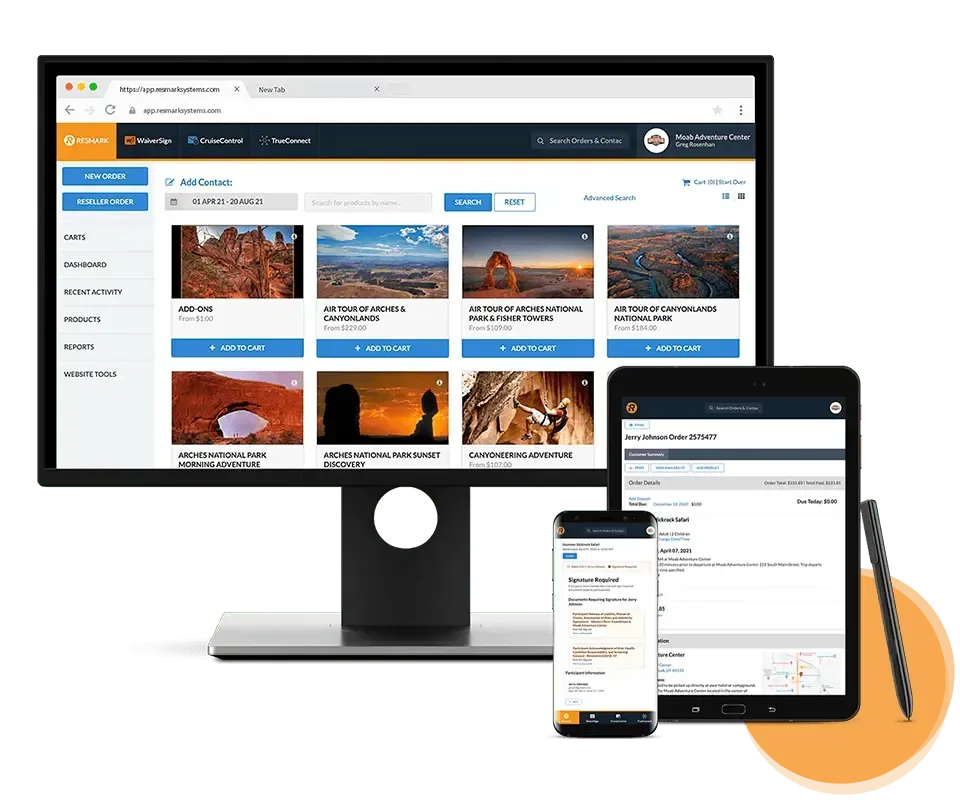
This is when most tour operators start seriously considering a system like Resmark Systems.
This transition often highlights the real impact of tour reservation software benefits, where operators move from reactive, manual coordination to structured systems that support growth and reduce operational stress.
The 6 Biggest Problems Tour Operators Face Without Booking Software
Many of these challenges are directly addressed when operators understand how tour booking software saves time with automation, reducing repetitive tasks and allowing teams to focus more on delivering great guest experiences instead of managing logistics.
1. Last-Minute Changes Become Difficult to Manage
Changes and cancellations are a normal part of running a tour business. Without a system, even small changes require manual coordination across schedules, staff, and customers.
This increases the risk of errors and delays.
After switching to booking software, scheduling becomes automated. Updates are reflected in real time, and both staff and customers are notified instantly. What used to take multiple steps becomes a simple adjustment.
2. Overbooking and Availability Conflicts
Without centralized tracking, it is easy to accidentally double-book tours or exceed capacity. This leads to operational stress, unhappy customers, and damage to your reputation.
With booking software, availability is managed in one place. Capacity is tracked automatically, and bookings are synced across all channels. This eliminates guesswork and reduces risk.
3. Constant Phone Calls and Manual Inquiries
Many operators spend a significant amount of time answering the same questions repeatedly. Customers call to check availability, ask about pricing, or confirm details before booking.
This is time-consuming and limits your ability to scale.
Online booking systems allow customers to self-serve. They can view availability, select options, and complete bookings without needing direct assistance. This reduces workload and improves customer convenience.
4. Managing Operations While in the Field
Tour operators are often not at a desk. They are leading tours, coordinating staff, or handling on-site operations.
Without a system, staying updated on bookings and changes becomes difficult.
With mobile-accessible booking software, operators can manage bookings, view schedules, and communicate with customers from anywhere. This improves visibility and control.
5. Manual Payments and Customer Coordination
Handling payments manually can lead to delays, missed payments, and additional administrative work. It also creates friction for customers who expect fast and secure transactions.
Booking systems automate payment collection. Customers can pay online, receive confirmations instantly, and complete the process without extra steps.
6. Slow and Unpredictable Cash Flow
When payments are delayed or handled manually, it becomes difficult to predict revenue and manage expenses.
With automated payment systems, revenue becomes more consistent and predictable. Payments are processed in real time, giving operators better financial visibility.
Before vs After: What Actually Changes in Your Business
Operational Efficiency
Before: Staff spend hours managing bookings, updating schedules, and coordinating changes.
After: Processes are automated, reducing manual work and minimizing errors.
Customer Experience
Before: Customers face delays, unclear availability, and multiple steps to complete a booking.
After:
Booking becomes fast, clear, and seamless, improving satisfaction and trust.
Team Productivity
Before: Teams are reactive, constantly responding to issues and inquiries.
After: Teams can focus on delivering great experiences instead of managing logistics.
Revenue Growth
Before: Missed bookings, slow responses, and friction limit revenue potential.
After: Faster booking processes and better availability management increase conversions.
Scalability
Before: Growth creates more problems.
After: Systems support growth without breaking operations.
The Hidden Cost of Not Using Booking Software
Many operators focus on the cost of software without considering the cost of staying manual.
These hidden costs include:
- lost bookings due to slow response times
- staff burnout from repetitive tasks
- customer frustration from unclear processes
- missed opportunities for growth
Over time, these costs often exceed the investment required for a booking system.
Why Some Booking Software Implementations Fail
Not all implementations succeed. As highlighted by industry insights such as , common issues include poor planning, lack of training, and choosing systems that do not fit the business.
Failures typically happen when:
- goals are not clearly defined
- the wrong system is selected
- teams are not properly trained
- processes are not aligned with the software
The issue is not the concept of booking software. It is how it is implemented.
What to Look for in a Tour Operator Booking System
When evaluating a system, operators should focus on capabilities that directly impact operations and growth:
- real-time availability management
- integrated payment processing
- multi-channel booking support
- mobile accessibility
- customer data and reporting tools
The goal is not just to automate tasks, but to create a system that supports long-term growth.
Booking Software as Business Infrastructure
Booking software should not be viewed as just another tool.
It is infrastructure.
It supports:
- how customers book
- how operations are managed
- how revenue is generated
A system like Resmark Systems allows tour operators to move from reactive processes to structured operations that can scale.
Frequently Asked Questions
What is tour operator booking software?
Tour operator booking software is a system that allows businesses to manage reservations, availability, payments, and customer communication in one platform. It replaces manual processes with automated workflows.
When should a tour operator switch to booking software?
Most operators should consider switching when manual processes start causing delays, errors, or customer frustration. This usually happens as booking volume increases and operations become more complex.
Does booking software increase bookings?
Yes. By reducing friction in the booking process, improving availability visibility, and enabling faster transactions, booking software can increase conversion rates and overall bookings.
Can booking systems prevent overbooking?
Yes. Booking systems track availability in real time and automatically adjust capacity, preventing double bookings and scheduling conflicts.
Is booking software difficult to implement?
Implementation requires planning and training, but with the right system and support, it can be a smooth process. Clear goals and proper onboarding are key to success.
How does booking software improve cash flow?
By enabling real-time payment processing, booking software ensures that payments are collected faster and more consistently, improving financial predictability.
What is the difference between a booking system and a simple scheduler?
A scheduler only manages time slots. A booking system manages availability, payments, customer data, communication, and reporting, making it a complete operational solution.
Share This Post