The Planning Stage of Tour Operator Marketing (Why It Makes or Breaks Bookings)
Most tour operators think the problem is traffic.
It’s not.
The real issue usually lives in the Planning Stage.
This is the moment when a guest already knows they want to travel. They’re narrowing down options. They’re comparing companies. They’re asking:
- Should I do a tour?
- What type of tour should I choose?
- Which company can I trust?
If your systems aren’t built to guide them through that decision, they leave. And they rarely come back.
In this webinar, we break down exactly how to fix that.
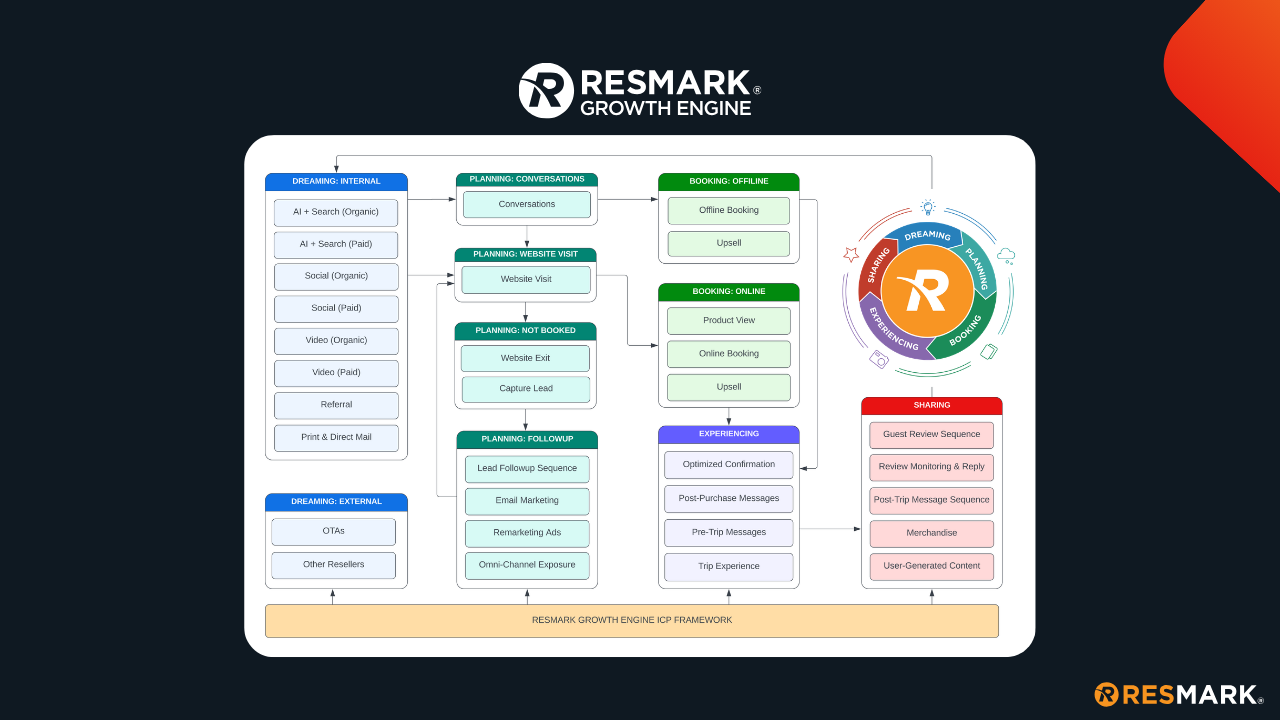
Understanding the Planning Stage in the Growth Engine
Inside the Growth Engine framework, the Planning Stage sits between Dreaming and Booking.
Dreaming is visibility. Booking is conversion. Planning is where trust is built.
This is where your website, email strategy, follow-up systems, and remarketing either work together… or fall apart.
And here’s the reality:
- 96% of visitors are not ready to book on their first visit
- webinar-february-planning
- Most operators are not capturing those visitors
- Even fewer are nurturing them properly
That means revenue is leaking every single day.
Step 1: Build a Conversion-Focused Website
A beautiful website is not the goal.
Clarity is.
Your website must:
- Clearly explain what you offer
- Answer objections before they’re asked
- Build trust immediately
- Make the next step obvious
That includes:
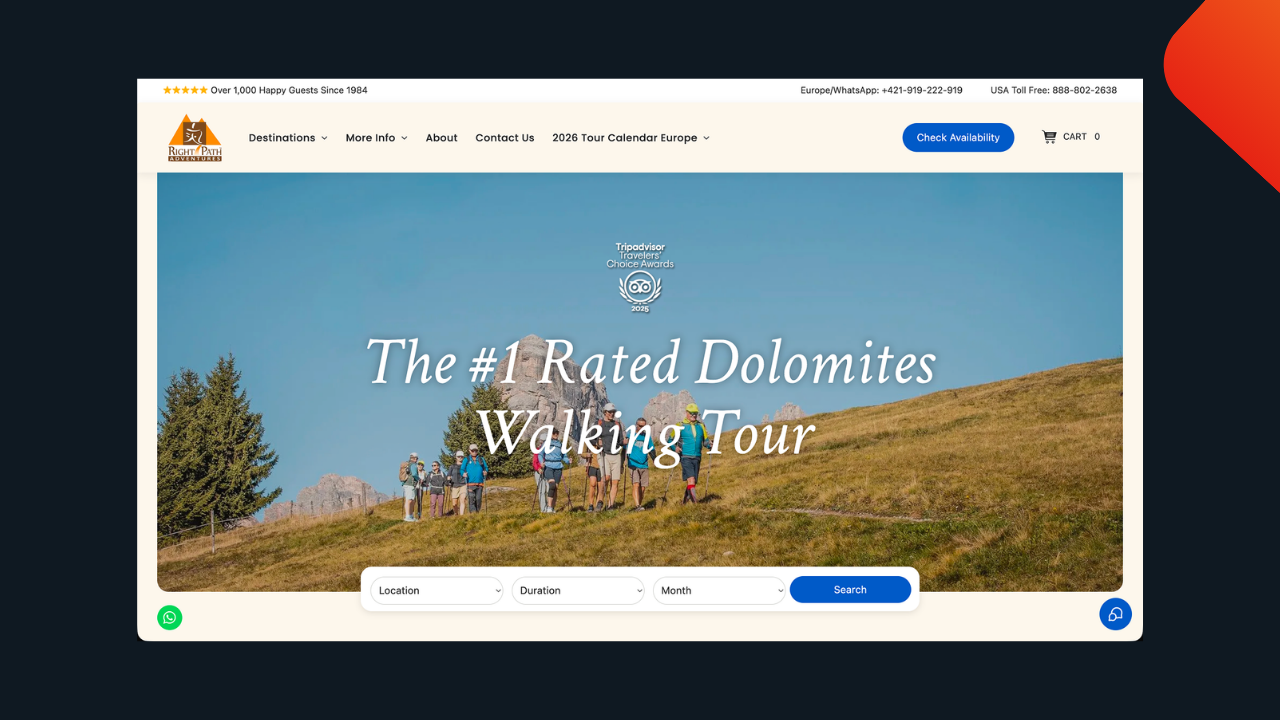
- Strong above-the-fold calls to action
- Clear tour comparisons
- Social proof that matches your target demographic
- FAQs that remove hesitation
- Mobile-first design
Confusion kills conversions. Structure increases bookings.
Step 2: Capture Planning-Stage Leads
If someone isn’t ready to book, you have two choices:
- Let them leave.
- Capture their information.
Lead magnets are one of the most underused tools in tourism marketing.
Examples that work:
- 5-day itineraries
- Packing checklists
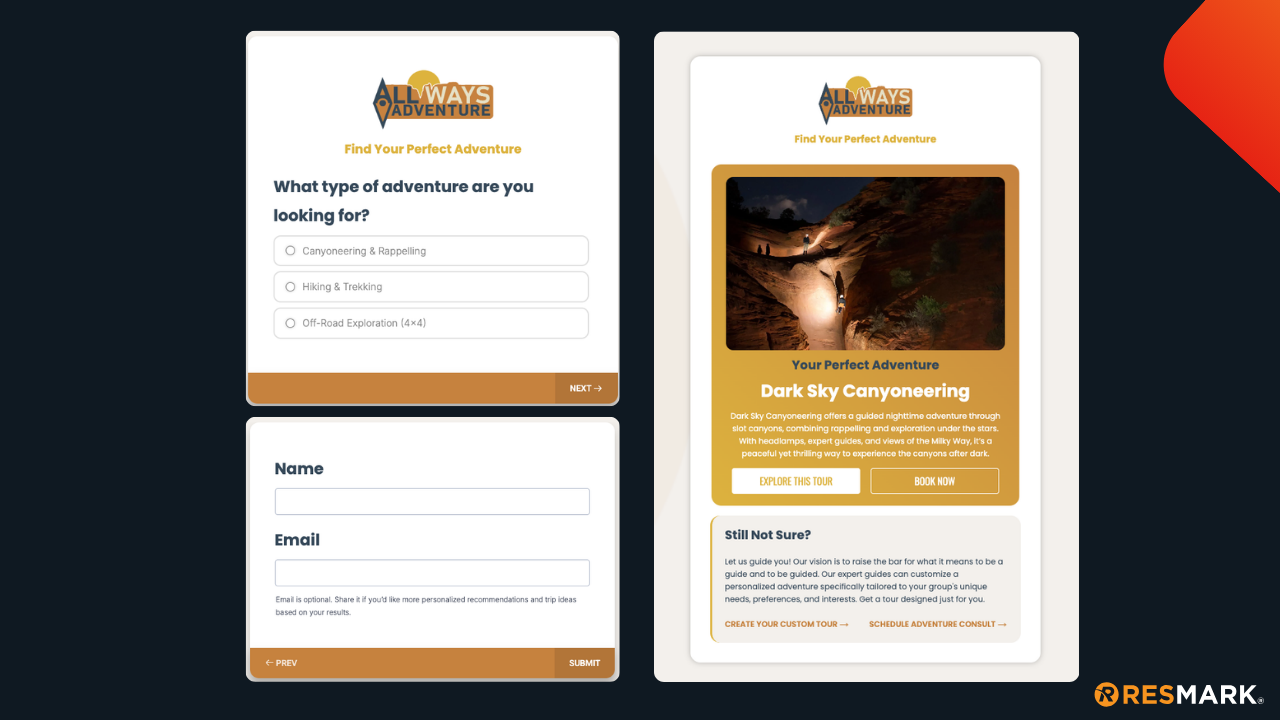
- Interactive “Which Tour Is Right for You?” quizzes
- Destination guides
- Comparison checklists
One client generated 5,000 downloads in a year from a planning-stage itinerary
That’s 5,000 warm leads who would have otherwise disappeared. The key: the value must match the planning stage. Not generic content. Not fluff. Real trip-planning help.
Step 3: Automate Lead Nurturing
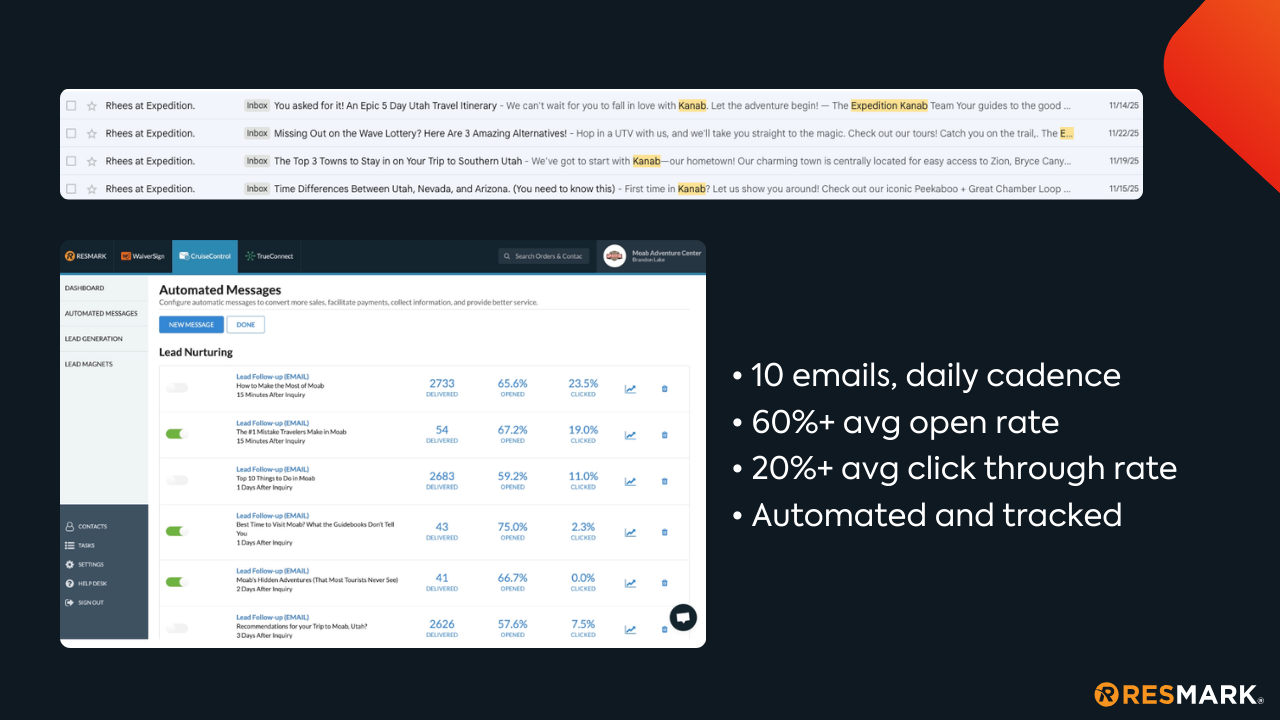
This is where most operators struggle. They capture emails… and then nothing happens. Automated nurture sequences can generate significantly higher engagement than generic email campaigns.
Why?
Because they’re timely.
When someone downloads a guide, takes a quiz, or submits a form, interest is fresh. That is the moment to follow up.
Effective nurture systems:
- Send immediate confirmation emails
- Deliver ongoing value for 7–14 days
- Continue long-term nurture at wider intervals
- Avoid pushy sales pressure
- Focus on helpful information
The goal is simple: stay relevant until they’re ready.
Step 4: Build a Real Email Campaign Calendar
Random email blasts don’t create predictable revenue.
Structured campaigns do. Nurtured leads can generate up to 50% more sales at a lower cost
Planning-stage email strategy should include:
- Segmentation by tour type or interest
- Seasonal promotions
- Limited availability alerts
- Early bird offers
- Referral reminders
- Past guest re-engagement
Consistency increases lifetime customer value. Sporadic outreach creates silence.
Step 5: Use Remarketing to Stay Visible
Remarketing is one of the most overlooked tools in tourism marketing.
If someone visits your tour page and leaves, you should still be visible to them.
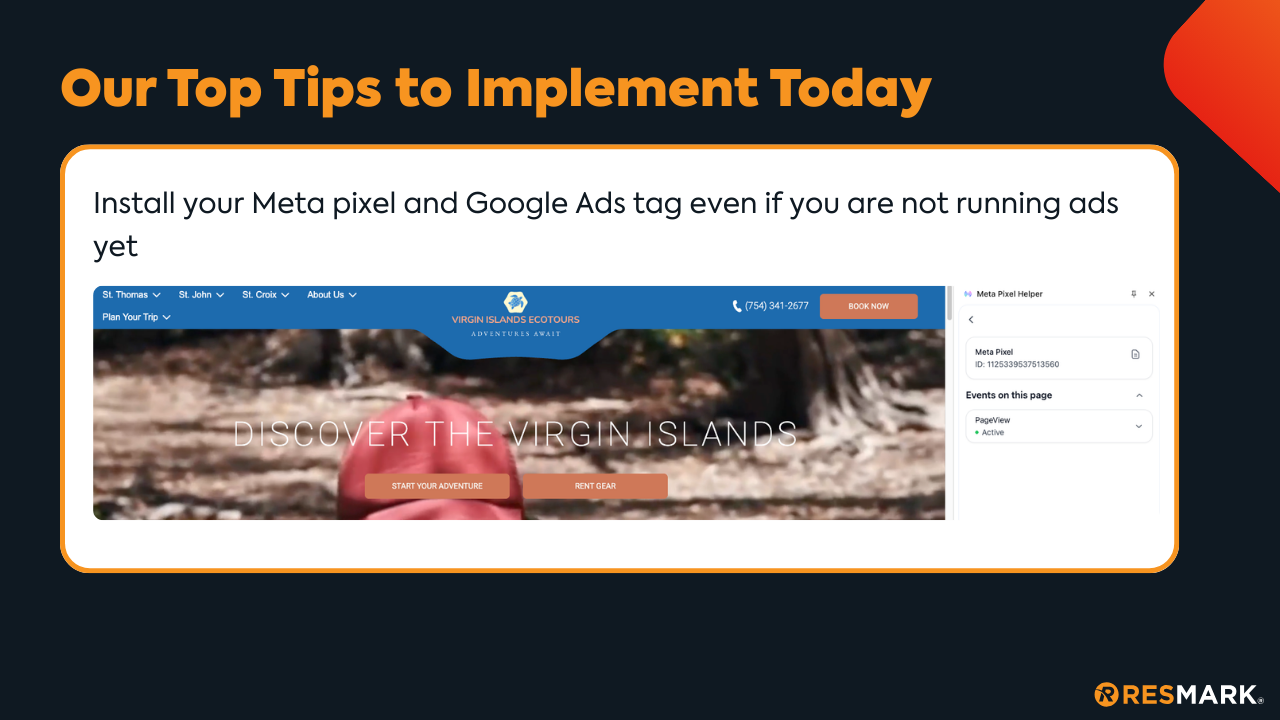
Meta Pixel.
Google Ads Tag.
Audience segmentation.
These tools allow you to:
- Retarget visitors by specific tour pages
- Exclude completed bookings
- Promote planning-stage lead magnets
- Run low-budget campaigns effectively
You don’t need a massive budget. Even $5–$15 per day can keep you visible to warm audiences.
Visibility builds familiarity. Familiarity builds trust. Trust builds bookings.
The Bottom Line
Traffic without structure leaks revenue.
The operator with the better system converts more of the same traffic.
If you want more bookings, you don’t necessarily need more visitors.
You need a stronger Planning Stage system.
- Capture the lead.
- Nurture the lead.
- Retarget the lead.
- Stay present.
That is how you win before the booking even happens.
Planning Stage Strategy: Tour Operator FAQs
What is the planning stage in tour operator marketing?
The planning stage is when potential guests are actively comparing options before booking. They are evaluating tour types, companies, pricing, and trust signals. This stage determines whether they choose you or a competitor.
Why don’t most website visitors book on their first visit?
Because they are still researching. Industry data shows that the majority of visitors are not ready to book immediately. They need follow-up, reassurance, and multiple touchpoints before converting.
What is a lead magnet for a tour company?
A lead magnet is a high-value resource offered in exchange for contact information. Examples include itineraries, packing guides, comparison checklists, or interactive quizzes designed to help guests plan their trip.
How can tour operators increase booking conversions?
By improving website clarity, capturing leads, implementing automated email nurturing, and running remarketing campaigns. Conversion increases when systems guide guests through the decision-making process.
How often should tour operators send marketing emails?
Consistently. Planning-stage leads should receive immediate follow-up and structured long-term nurturing. Sporadic email blasts are less effective than intentional campaign calendars.
Does remarketing really work for tour operators?
Yes. Remarketing keeps your brand visible to visitors who already showed interest. Even small daily budgets can significantly improve return traffic and conversion rates when audiences are properly segmented.
Share This Post