How Guests Start Dreaming About Your Tours (Before They Ever Book)
Most tour operators think marketing starts when a guest is ready to book. In reality, the decision is often made long before someone clicks “Book Now.”
Today’s travelers begin their journey in what we call the Dreaming Stage. They are researching ideas, scrolling social media, watching videos, reading reviews, and forming opinions about which tour companies feel trustworthy, exciting, and worth their time.
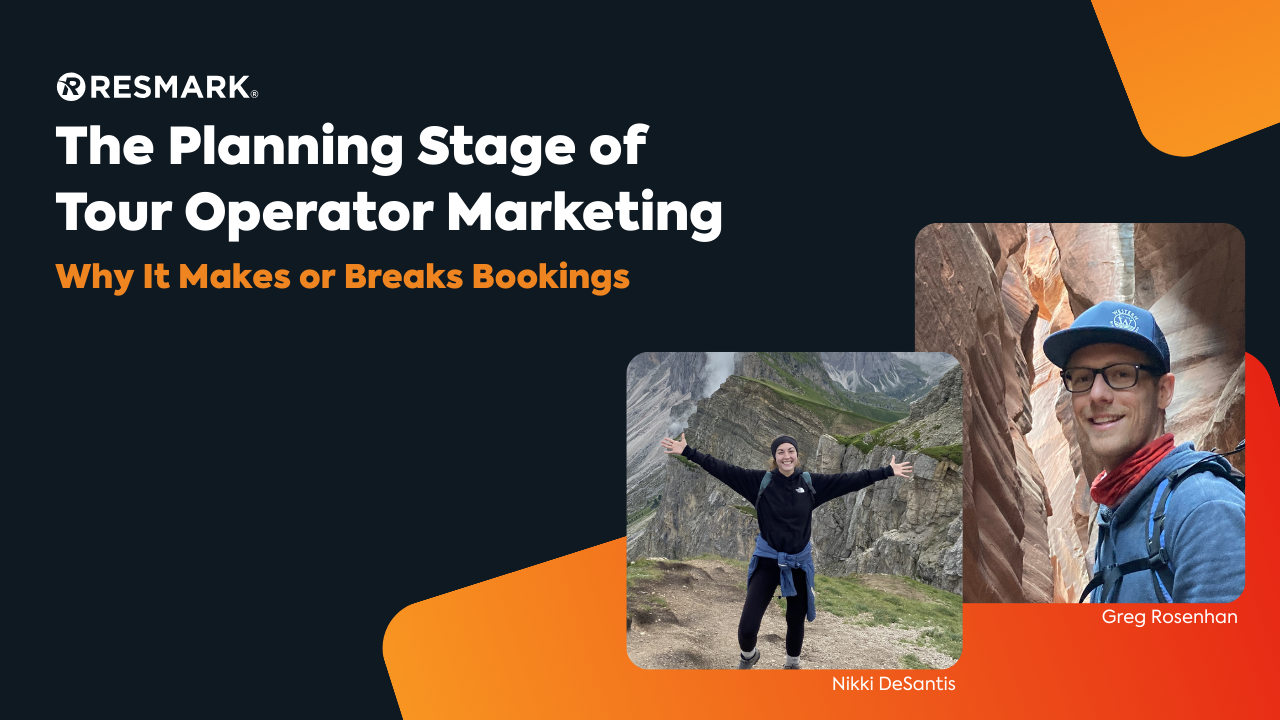
As Nikki DeSantis, Marketing Director at Resmark, puts it:
“Before guests ever compare prices or click ‘Book Now,’ they’re already forming opinions about which companies feel familiar and trustworthy.”
Understanding and showing up during this early stage is one of the most powerful ways to drive more direct bookings and long-term growth.
What Is the Dreaming Stage?
The Dreaming Stage is the first phase of the guest journey. According to Greg, Senior Sales and Marketing Manager at Resmark, guests typically fall into one of two groups at this point:
“You have guests who don’t know what they want to do yet, and guests who know the type of experience they want but not who to book with.”
Both groups are searching. They’re asking questions. And most importantly, they’re discovering brands for the first time.
This is where visibility matters most.
How Guests Discover Tours Today
Guests don’t rely on just one channel anymore. They might see your brand in Google search, come across your videos on social media, read reviews on an OTA, and then encounter you again through AI-powered search results.
Greg emphasized how fragmented and personal this process can be:
“Two people sitting on the same couch will research trips completely differently. That’s exactly how your guests are searching too.”
This is why consistency across platforms is critical. Travelers are far more likely to book a tour they’ve seen multiple times across different channels.
Showing Up in Google and AI Search
Search is still one of the strongest drivers in the Dreaming Stage. While AI-powered tools like ChatGPT and Gemini are growing rapidly, Google remains foundational.
Nikki explained it simply:
“If you have a strong foundation in Google and you’re doing the right things, most likely you’re going to show up in AI search too.”
That foundation includes clearly defined destination pages, experience-specific content, FAQs, and helpful resources that answer real guest questions. Publishing consistently and updating older content also plays a major role in staying visible.
Social Media Builds Familiarity Before Booking
Social media is not just a booking channel. In the Dreaming Stage, it’s about familiarity.
“When guests see you regularly on social, booking later feels familiar instead of risky,” Nikki shared.
Authentic content matters more than polished marketing. Real moments from tours, guide spotlights, guest reactions, and behind-the-scenes footage often perform better than highly produced ads.
Consistency is key. Even small, regular efforts compound over time.
Video and User-Generated Content Build Trust
Video plays a powerful role in helping guests imagine themselves on your tour. Professional videos are great, but user-generated content can be even more impactful.
Greg highlighted this shift:
“People want to be sold, but they also want to be sold by their peers, not just by you.”
Encouraging guests to share photos and videos, asking for permission to reuse content, and creating simple ways for guests to upload footage can dramatically increase engagement and trust.
The Role of Referrals, Print, and OTAs
Referrals remain one of the strongest discovery channels in the industry. Happy guests create future guests.
Print marketing, while often overlooked, still plays a role for some audiences. Nikki shared that direct mail can feel more personal and trustworthy, especially when paired with digital touchpoints like QR codes.
OTAs also remain a major part of the discovery landscape. While they take a commission, they introduce your brand to guests who may later book directly if your website, content, and messaging are strong.
Dreaming Works Best as a System
The biggest takeaway from the Dreaming Stage is that no single channel works alone.
“Dreaming works when channels support each other,” Nikki explained. “Visibility compounds when your messaging is consistent.”
When SEO, social media, video, paid ads, referrals, and OTAs all work together, guests move naturally from dreaming to planning, booking, and beyond.
The goal isn’t to be everywhere. It’s to be in the right places, for the right guests, with intentional systems that grow stronger over time.
Frequently Asked Questions About the Dreaming Stage
What is the Dreaming Stage for tour guests?
The Dreaming Stage is the earliest phase of the travel decision journey. During this stage, potential guests are researching destinations, browsing social media, watching videos, and exploring ideas before they are ready to compare pricing or availability. Many travelers are discovering tour companies for the first time during this phase, which makes visibility and brand familiarity critical for long-term booking success.
What are the two types of guests in the Dreaming Stage?
Guests in the Dreaming Stage usually fall into two categories. The first group includes travelers who do not yet know what type of trip or activity they want to experience. The second group includes travelers who already know the type of experience they want, such as kayaking or hiking, but are still deciding which company or destination to choose. Both groups rely heavily on search engines, social media, and reviews to guide their decisions.
Why does showing up across multiple channels matter?
Travelers are significantly more likely to book tours they encounter across multiple platforms such as search engines, social media, video platforms, and online travel agencies. Multi-channel visibility builds familiarity and trust over time, helping guests remember your brand when they are ready to book. Consistent messaging across platforms also reinforces credibility and increases booking confidence.
Does Google still matter if AI search is growing?
Yes. While AI-powered search tools are growing quickly, Google remains the foundation of online visibility. Strong website content, clear destination pages, helpful FAQs, and optimized resources improve rankings in traditional search engines and often influence how brands appear in AI-generated results as well. Tour operators that build a strong search foundation typically perform better across both Google and AI search platforms.
What pages should tour operators build to rank in Google and AI search?
Tour operators should create detailed destination pages, experience-specific tour pages, educational blog content, FAQs, and resource guides that answer common guest questions. These pages help search engines understand your expertise while providing valuable information that supports travelers during the research phase of their booking journey.
How often should tour operators publish blog content?
Consistency is more important than volume. Publishing educational or experience-focused content at least once per month helps maintain search visibility and authority. However, tour operators can also improve rankings by updating and expanding existing content to keep it relevant and valuable for current travelers.
What kind of content helps guests in the Dreaming Stage?
Guests in the Dreaming Stage benefit from inspirational and educational content such as trip ideas, sample itineraries, packing guides, destination highlights, and activity overviews. This type of content helps travelers imagine their experience while building trust and confidence in the tour operator.
How do you get more user-generated content from guests?
Tour operators can increase user-generated content by asking guests to share photos and videos, encouraging social media tags, running photo contests, offering small incentives, or providing simple upload links after tours. Authentic guest content often increases engagement and builds trust with future travelers.
Are OTAs replacing direct bookings or supporting discovery?
Online Travel Agencies (OTAs) are primarily discovery platforms that introduce travelers to new tour experiences. While OTAs charge commissions, they often help travelers find tour operators for the first time. Strong branding, website experience, and marketing systems can encourage guests to return and book directly in the future.
Does direct mail still work for tour operators?
Direct mail continues to perform well for certain audiences because it feels personal and trustworthy. When combined with digital marketing, QR codes, or online catalogs, direct mail can increase brand recall and drive website traffic during the early stages of travel plannin
Share This Post