How Tour Operators Can Boost Early-Year Bookings and Streamline Operations with Unified Software
The start of the year can be one of the most profitable periods for tour operators. It can also be one of the most operationally demanding.
Increased booking activity, unpredictable weather, lean staffing, and guests booking on short notice quickly expose weaknesses in disconnected systems. When availability, payments, check-in, and communication are not aligned, revenue is lost and guest experience suffers.
For rafting, kayaking, hiking, zipline, and other outdoor activity operators, early-year performance depends on how well the website, booking flow, and daily operations work together.
A unified tour management system helps turn that complexity into a competitive advantage.
This guide explains how tour operators can prepare for beginning of the season demand, capture more bookings, and operate more efficiently using software designed for high-volume tour businesses.
Why Seasonal Demand Requires Purpose-Built Tour Software
Booking patterns at the start of the year follow a familiar rhythm. Demand rises quickly, booking windows are shorter, guests expect immediate confirmation, and teams are often smaller than later in the season.
Without the right systems in place, operators are forced into manual workarounds at the exact moment speed and accuracy matter most.
Prevent Capacity Conflicts and Booking Errors
When phone reservations, website bookings, and reseller sales happen close together, inventory must stay accurate in real time. Without centralized controls and automated rules, capacity conflicts and booking errors become unavoidable.
Tour software with live inventory tracking and rule-based controls helps ensure bookings stay accurate and manageable without constant manual oversight.
Manage Increased Booking Activity with Less Friction
Busy booking periods are not the time to rely on spreadsheets, inboxes, or disconnected tools.
A connected system allows operators to:
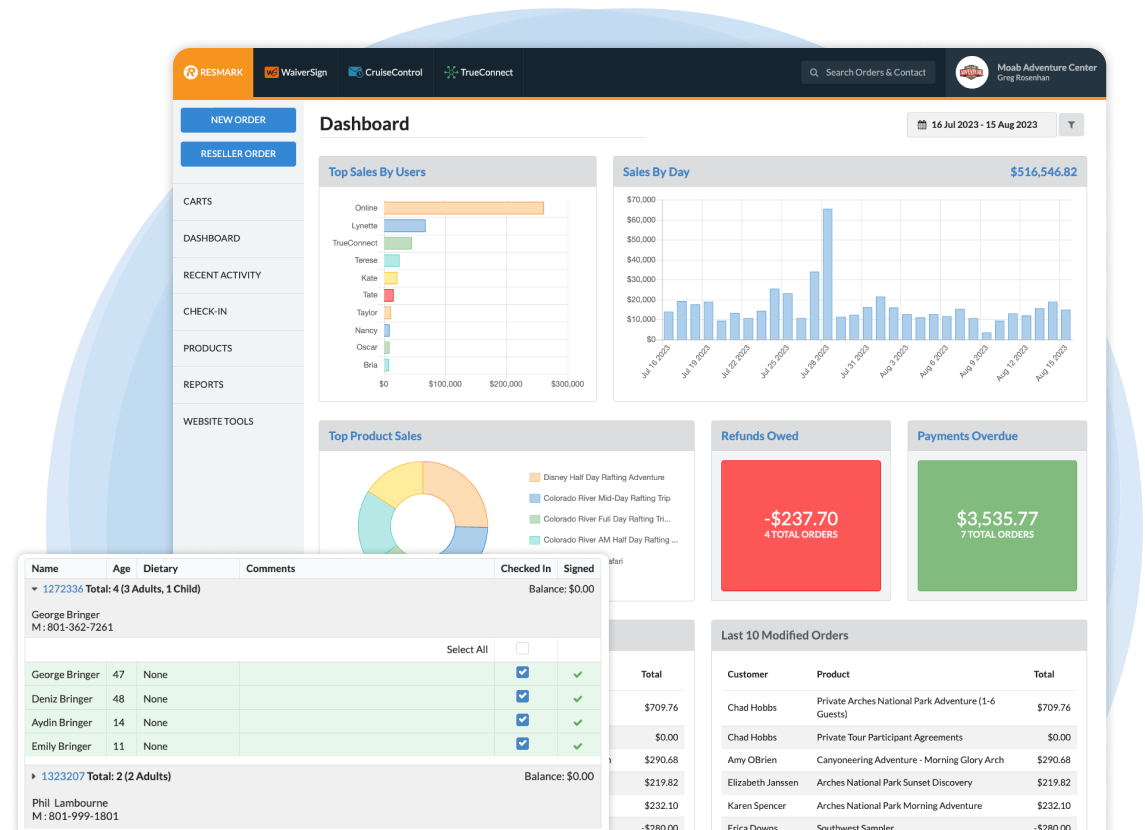
- View reservations, cancellations, and payments in one place
- Apply inventory and capacity rules automatically
- Reduce repetitive administrative tasks
This keeps teams focused on guests instead of troubleshooting.
Support Mobile and Multi-Channel Reservations
Many bookings happen outside business hours or on mobile devices. Guests expect a smooth experience no matter how they discover your tours.
A modern booking setup should:
- Function seamlessly on mobile
- Show accurate open spots in real time
- Support both direct and reseller sales
A centralized platform keeps every channel aligned and reduces booking conflicts.
Capabilities That Support Efficient Seasonal Operations
Success is not about adding more tools. It is about reducing friction between the systems you already rely on.
Online Booking and Secure Payments
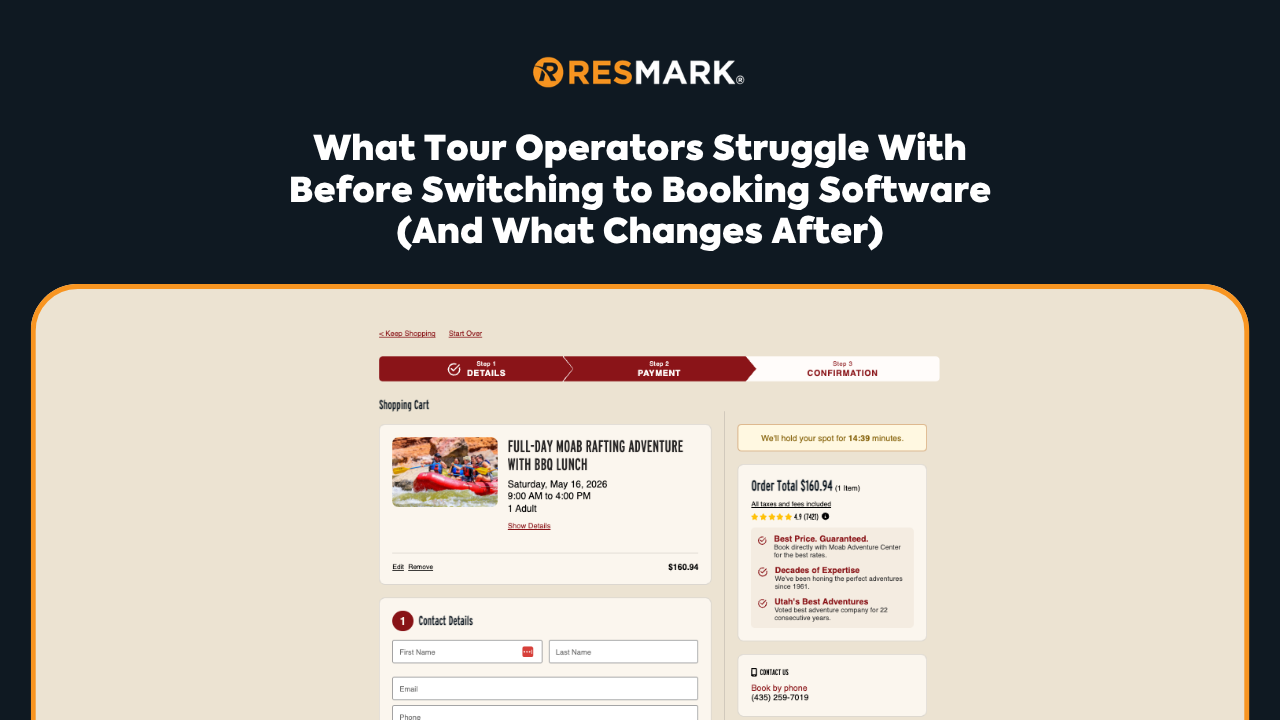
Guests expect a fast checkout experience with clear pricing and immediate confirmation.
Effective booking software allows operators to:
- Display real-time availability
- Accept deposits or full payment
- Process payments online, by phone, or in person
This improves conversion rates and stabilizes cash flow during busy periods.
Automated Guest Communication
A large portion of bookings come from returning guests, referrals, and travelers planning on short notice.
Automation helps operators:
- Respond to inquiries automatically
- Send confirmations and reminders
- Reduce no-shows without increasing staff workload
Consistent communication builds confidence and improves show rates.
Built-In Customer Management
Understanding who your guests are and how they book supports smarter decisions.
Integrated customer tools make it possible to:
- Track guest history across seasons
- Identify repeat customers
- Personalize communication by tour or activity
This is especially valuable when promoting seasonal experiences to past guests.
Reporting and Operational Insight
Early-year data provides immediate feedback on performance.
Access to booking trends and revenue reports helps operators:
- Adjust pricing for busy dates
- Identify strong-performing tours
- Refine marketing efforts quickly
Clear insight supports better decisions when timing matters.

How Software and Your Tour Website Work Together
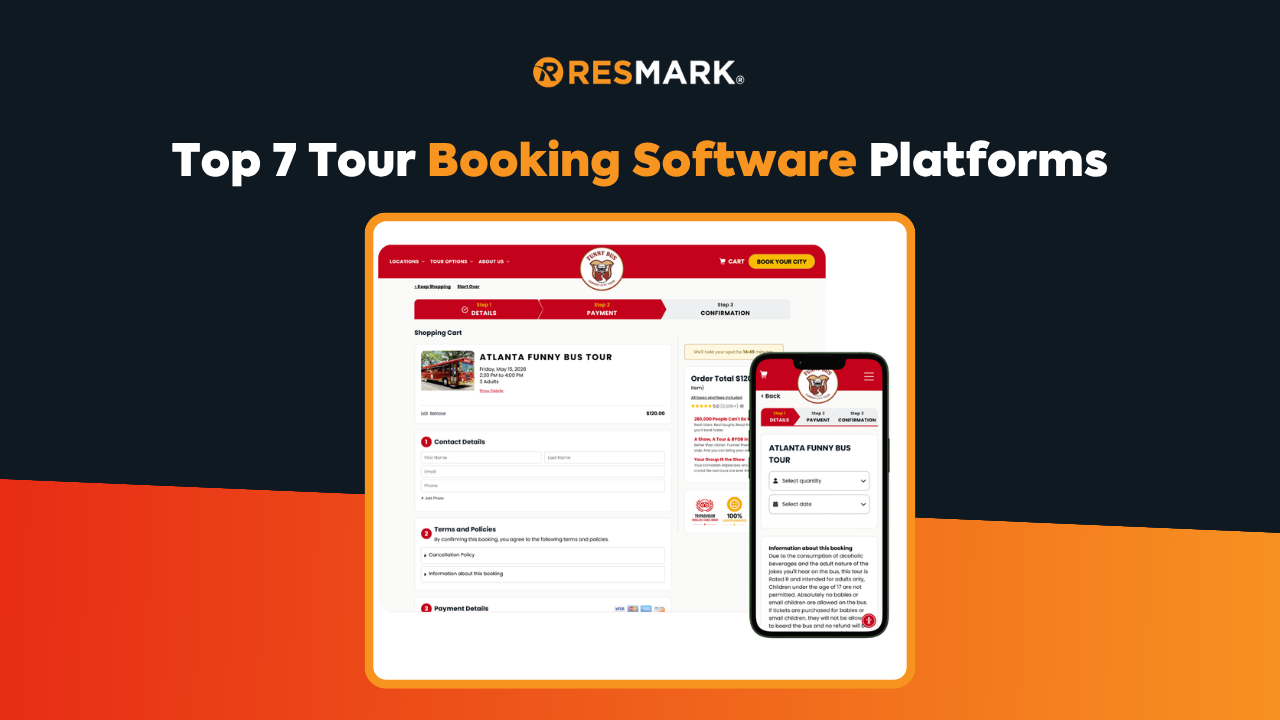
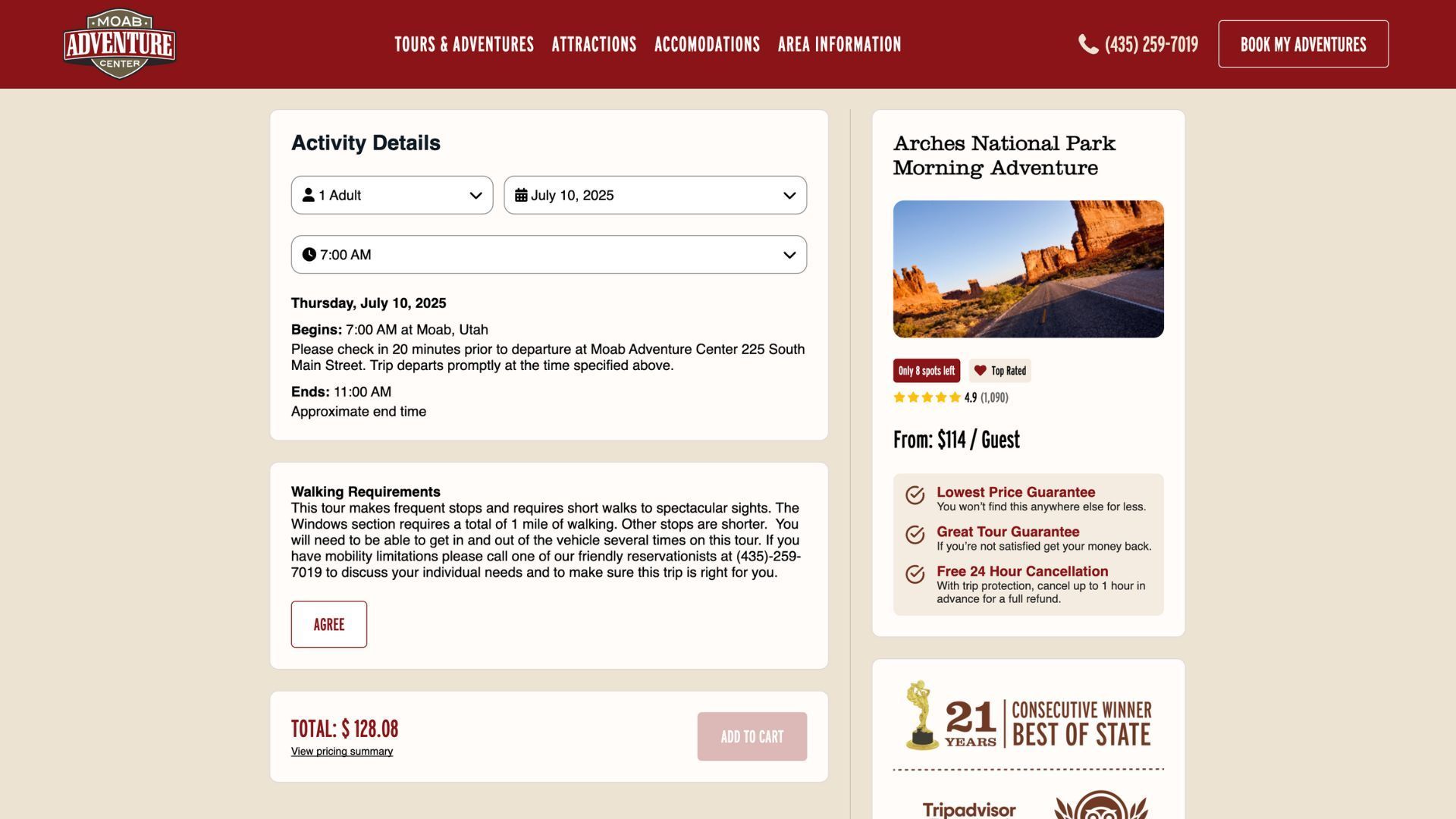
One of the most common breakdowns during busy booking periods happens at the website level. When the website, booking engine, payments, and waivers operate as separate systems, friction appears quickly. A unified approach treats the website as part of the booking experience rather than a disconnected layer.
Your Website Should Support Conversions
During busy booking periods, your website must load quickly, reflect accurate open spots, and guide visitors smoothly through checkout.
Embedded booking tools and integrated checkout flows create a consistent experience and reduce drop-off.
Flexible Website Integration Options
Tour operators benefit from software that:
- Connects cleanly into an existing website
- Or includes a purpose-built site designed to convert
This flexibility allows operators to improve performance without unnecessary rebuilds.
A Connected Experience for Guests and Staff
When reservations, payments, waivers, and communication operate within a single system:
- Guests complete bookings faster
- Staff access everything from one dashboard
- Errors and confusion are reduced
This is especially important when operating with smaller teams early in the year.
Challenges of Operating Without a Connected System
Many tour operators do not realize their systems are limiting growth until demand increases.
Lost Revenue from Abandoned Bookings
Slow checkout experiences, inaccurate booking information, or disconnected sales channels cause guests to leave before confirming. During busy periods, those opportunities are rarely recovered.
Reactive Marketing and Missed Follow-Ups
Without automation and customer insight, marketing becomes reactive. Operators miss opportunities to follow up with interested leads and reconnect with past guests.
Manual Management Across Multiple Tours
Managing multiple tours, start times, or activities increases complexity. Without shared inventory rules, capacity management becomes manual and error-prone.
Best Practices for Managing Demand During Busy Periods
Busy booking periods reveal the difference between reactive systems and prepared operations.
Set Rules and Availability in Advance
Define pricing, booking limits, and capacity rules before demand increases. Automation ensures those rules are applied consistently.
Monitor Performance and Adjust Quickly
Review reservations and revenue regularly. Small adjustments to pricing, capacity, or promotions can have a meaningful impact.
Maintain Clear Guest Communication
Consistent communication reduces confusion and no-shows. Automated confirmations, reminders, and follow-ups set clear expectations.
Optimize for Mobile Bookings
A significant share of bookings happen on mobile devices. A fast, mobile-friendly experience directly improves conversions.
Why Tour Operators Choose Resmark Systems
Tour operators need software designed for the realities of seasonal volume and outdoor operations.
Resmark Systems provides a connected tour management platform that helps businesses:
- Manage increased booking activity with confidence
- Keep websites, reservations, payments, and waivers aligned
- Support rafting, kayaking, hiking, zipline, and other activity-based tours
By combining booking technology with seamless website integration, Resmark helps operators simplify operations and focus on delivering great experiences.
Ready to Improve Your Early-Year Operations?
Periods of high demand reward operators who are prepared.
An integrated tour software platform provides the structure needed to manage reservations, reduce operational strain, and capture more revenue when it matters most.
Schedule a demo of Resmark Systems to see how connected software can support your tours and help your business operate more smoothly.
Questions About Hidden Revenue Leaks
What is tour operator software designed for seasonal demand?
Tour operator software designed for seasonal demand helps businesses manage increased booking activity, limited availability, and operational complexity during busy periods. It brings bookings, availability, payments, guest communication, and reporting into a connected system so operators can handle higher volume without adding manual work or risking errors.
Can unified software handle multiple tours and activities?
Yes. Unified systems are designed to manage inventory, pricing, and availability across multiple tours and time slots.
Does this type of software work with my existing website?
Modern tour software can embed directly into existing websites or be paired with purpose-built tour websites.
Why is real-time availability important during peak season?
It prevents overbookings and ensures guests always see accurate availability when booking.
Is Resmark only for large tour companies?
No. It is especially valuable for small and mid-sized operators managing seasonal demand with lean teams.
How does a centralized software help improve guest experience?
Faster bookings, clear communication, easier check-ins, and fewer errors all contribute to a better guest experience.
Share This Post